






Matthew D'Ursov

Amy Leifeste

Karena Mathis

Cocaine addiction often begins by quietly disrupting everyday life. Energy crashes replace motivation. Focus slips at work. Relationships strain under mood swings and impulsive behavior. Over time, cocaine use can create a cycle of urgency and burnout, leaving people unsure how to stop without everything falling apart. That uncertainty makes it hard to know which type of treatment will actually help and where to begin.
• Cocaine use disrupts focus, energy, and emotional stability
• Cravings and crashes interfere with work and relationships
• The fear of stopping can delay seeking treatment
• Structured rehab helps restore balance and control
Renaissance Recovery offers structured Cocaine Rehab through the District Behavioral Health network, providing outpatient and dual diagnosis care designed to support recovery without pulling you completely away from daily life. For those who need mental health–focused support without a co-occurring addiction, Cocaine-related mental health care is also available through Connections Mental Health, part of the DBH group. Together, these programs help match you with the level of care that fits your symptoms, goals, and lifestyle.
Cocaine rehab helps you regain stability and direction. See more about our cocaine rehab program below.
Our behavioral health services support men and women struggling with substance use and co-occurring mental health disorders. District Behavioral Health focuses on providing a comprehensive continuum of care, including personalized outpatient treatment, intensive outpatient (IOP) and partial hospitalization programs (PHP), and coordinated support services designed to help individuals stabilize, develop effective coping skills, and build lasting recovery within their communities.
Cocaine addiction is a complex medical condition affecting the mind and body. It can lead to severe health consequences, including cardiovascular issues, respiratory problems, and neurological damage. Mentally, it is often associated with anxiety, depression, and severe mood swings. This addiction can also damage relationships, impact performance at work or school, and disrupt the stability of daily life.
Breaking free from cocaine dependence is challenging due to the intense cravings and the highly addictive properties of the drug. At District Behavioral Health, we offer evidence-based therapies, medical supervision, and compassionate care to help individuals overcome dependence, manage cravings, and build a healthier life.
This article explains what cocaine addiction is, its signs, when treatment is needed, and the effective options available for recovery.
Cocaine addiction, clinically known as cocaine use disorder, is a chronic brain disorder characterized by the compulsive use of cocaine despite its harmful consequences. As a powerful stimulant, cocaine directly affects the brain’s dopamine pathways, creating a short-lived feeling of euphoria and a burst of energy. With repeated use, the brain’s natural reward system is disrupted. This disruption leads to tolerance, where more of the drug is needed to achieve the same effect, physical dependence, and ultimately, addiction.
Overcoming this condition requires more than just willpower. Because cocaine alters brain function and influences behavior, individuals often find it impossible to quit on their own. Professional cocaine addiction treatment provides the structured support and medical oversight necessary to help restore neurological balance and build a foundation for long-term recovery. Seeking help from a qualified cocaine rehab is undoubtedly a good idea.
Yes, all forms of cocaine are highly addictive. Cocaine comes in two main forms: powdered cocaine, often snorted or injected, and crack cocaine, which is smoked. Both types quickly enter the bloodstream, producing a powerful high that fades fast, encouraging repeated use. Crack cocaine is especially addictive because smoking delivers the drug to the brain almost instantly.
Over time, cocaine alters brain areas that control reward and decision-making, making it hard to find joy in everyday activities without the drug. Early treatment through a cocaine rehab clinic can stop this cycle and prevent long-term harm.
Cocaine’s addictive nature comes from its impact on the brain’s reward system. When used, cocaine floods the brain with dopamine, a chemical that creates feelings of pleasure. Normally, dopamine is released during enjoyable activities like eating or socializing, but cocaine causes an unnatural surge, making the brain crave more of the drug.
Over time, this rewires the brain, reducing its ability to feel pleasure without cocaine. Stress, social pressures, or easy access to the drug can also fuel addiction. Cocaine addiction rehab helps address these changes through therapy and support, teaching healthier ways to manage stress and emotions.
Recognizing the signs of cocaine addiction is the first step toward getting help. The symptoms often start subtly but can become more severe as use continues. It’s important to be aware of the physical, psychological, and behavioral indicators of a substance use disorder.
Common signs and symptoms include:
Intense cravings for cocaine
Building a tolerance, meaning larger amounts are needed to feel the same effects
Neglecting responsibilities at work, school, or home
Engaging in risky behaviors, such as driving under the influence or having unsafe sex
Financial problems related to buying the drug
Physical signs like dilated pupils, frequent nosebleeds, significant weight loss, or burns on the hands or lips from smoking crack cocaine
If you or a loved one experiences these symptoms, it may be time to explore treatment for cocaine addiction. Early intervention can prevent serious health risks and improve recovery outcomes.
One may need cocaine addiction treatment if cocaine use is uncontrollable or harms one’s health, relationships, or daily life. Many try to quit on their own but struggle with intense cravings and withdrawal symptoms like depression and fatigue. While cocaine withdrawal does not typically cause severe physical symptoms like those associated with opioids or alcohol, it can lead to deep depression, extreme fatigue, and powerful cravings that make relapse highly likely.
Professional help ensures that you receive medical and therapeutic support tailored to your individual needs and circumstances. Whether through an inpatient or outpatient program, a structured cocaine treatment plan provides the necessary tools and strategies for achieving and maintaining long-term sobriety. Seeking help from a cocaine addiction rehab as soon as the problem is recognized is the most effective way to improve the likelihood of a lasting recovery.
Inpatient cocaine rehab programs offer a safe, structured, and supportive environment for individuals to begin their recovery journey. This level of care is particularly beneficial for those with severe addictions, co-occurring mental health disorders, or a history of relapse after trying outpatient treatment. By residing at a treatment facility, patients are removed from the triggers and stressors of their daily environment, allowing them to focus entirely on healing.
A typical inpatient cocaine treatment program includes:
Medically supervised detox to manage withdrawal symptoms safely.
Evidence-based therapies, such as Cognitive Behavioral Therapy (CBT).
Group therapy sessions to foster a sense of community and support.
Educational workshops on relapse prevention and healthy living.
Dual diagnosis care to address co-occurring mental health conditions.
Typical inpatient cocaine treatment programs include:
Medical detox to help stabilize withdrawal symptoms
Evidence-based therapies like Cognitive Behavioral Therapy (CBT)
Group therapy to build community support
Education about relapse prevention and healthy lifestyle habits
Dual diagnosis care for co-occurring mental health conditions
These programs can last from 30 to 90 days, depending on the individual’s needs. The immersive nature of inpatient rehab helps patients develop essential coping skills and build a strong foundation for a life in recovery.
Outpatient cocaine treatment programs offer flexibility, allowing patients to live at home and maintain specific daily responsibilities while attending therapy sessions multiple times per week. This option is often suitable for individuals with less severe addictions or for those transitioning from an inpatient program who require ongoing support. Outpatient care offers structured treatment while allowing patients to apply their recovery skills in a real-world setting.
Key components of an outpatient cocaine rehab clinic include:
Regular individual counseling with a therapist.
Group therapy and peer support meetings.
Participation in 12-step programs like Cocaine Anonymous.
Development of a comprehensive relapse prevention plan.
Medication management for any co-occurring mental health conditions.
This approach enables patients to establish a sober life while maintaining a connection to a professional support network.
Cocaine use and addiction continue to be a significant public health issue in the United States. The consequences can be severe, and national data helps to illustrate the scope of the problem.
According to recent national surveys and data:
Approximately 4.8 million people in the U.S. reported using cocaine within the past year [1].
An estimated 1.4 million individuals met the diagnostic criteria for a cocaine use disorder [2].
Cocaine-related overdose deaths are rising, often due to fentanyl contamination [3].
Emergency room visits linked to cocaine use reached over 500,000 in recent years [4].
Young adults aged 18-25 report the highest rates of cocaine misuse [5].
These numbers highlight the need for accessible cocaine addiction rehab to help individuals recover and reduce risks.
Effective cocaine treatment programs utilize a combination of therapeutic approaches to address the complexities of addiction. While there are currently no medications specifically approved by the FDA for treating cocaine use disorder, behavioral therapies have proven to be highly effective. Treatment is tailored to meet the individual’s needs.
Standard cocaine treatment options include:
Cognitive Behavioral Therapy (CBT): Helps patients identify and change the negative thought patterns and behaviors associated with their drug use.
Contingency Management (CM): Uses motivational incentives, providing tangible rewards for maintaining sobriety.
Motivational Interviewing (MI): Helps individuals resolve ambivalence and strengthen their motivation to make positive changes.
12-Step Programs: Groups like Cocaine Anonymous offer peer support and a structured framework for recovery.
Dual Diagnosis Treatment: This integrated approach addresses both the addiction and any co-occurring mental health disorders, such as depression or anxiety.
Choosing the right cocaine rehab clinic is key to recovery. Top programs offer evidence-based care, licensed staff, and personalized plans.
They focus on:
Medical detox to safely manage withdrawal
Behavioral therapy to address emotional triggers
Group therapy for shared support
Aftercare planning to prevent relapse
At District Behavioral Health, we treat the whole person, not just the addiction. Our programs include therapy, counseling, and life skills coaching, with a focus on family involvement to support recovery.
What is used to treat cocaine addiction?
Treatment for cocaine addiction primarily relies on behavioral therapies, such as Cognitive Behavioral Therapy (CBT) and contingency management. While no medications are FDA-approved specifically for cocaine use disorder, certain medications may be used to manage withdrawal symptoms or treat co-occurring conditions like anxiety or depression.
What do they give drug addicts to get off drugs?
For cocaine addiction, treatment focuses on therapy rather than medications. Doctors may prescribe medications to manage withdrawal symptoms like depression or stabilize co-occurring conditions. Behavioral therapies and support groups are the main tools for recovery.
Are there treatment programs for cocaine?
Yes, there are many specialized treatment programs for cocaine. These programs are available at different levels of care, including inpatient residential facilities and outpatient clinics. They typically offer a combination of medical detoxification, individual and group therapy, support groups, and comprehensive relapse prevention planning to help individuals achieve and maintain sobriety.
What is the 12-step cocaine recovery program?
A 12-step recovery program, such as Cocaine Anonymous (CA), is a peer-support fellowship based on the principles of Alcoholics Anonymous. It provides a structured, supportive community where individuals work through a series of steps toward recovery. The program emphasizes admitting powerlessness over cocaine, seeking help from a higher power, and making amends, all while being supported by others with shared experiences.
What do doctors do for cocaine addiction?
Doctors assess addiction severity, recommend treatment plans, and monitor recovery. They may provide medical supervision during the detoxification phase to ensure safety and comfort. They also diagnose and treat any co-occurring physical or mental health conditions that may be contributing to or resulting from the cocaine use disorder.
How long is cocaine rehab?
The duration of cocaine rehab varies depending on the severity of the addiction and the specific needs of the individual. Inpatient programs typically last from 30 to 90 days. Outpatient programs can continue for several months or even longer, providing ongoing support as the person transitions back into their daily life.
Get Help for Cocaine Addiction at District Behavioral Health
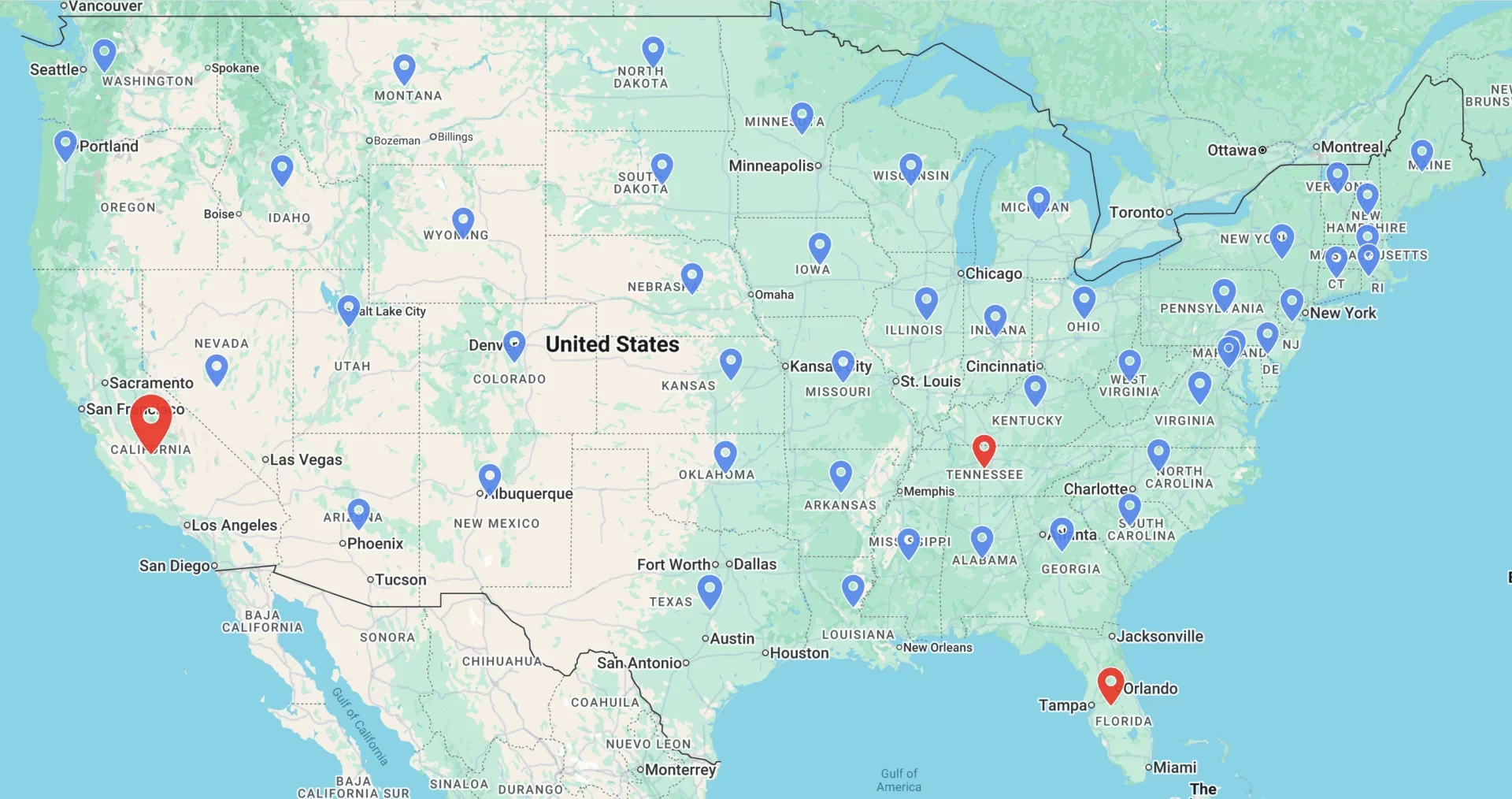
If you or a loved one is struggling with cocaine addiction, District Behavioral Health offers evidence-based care to support recovery. Our nationwide network provides a clear treatment path, from detox to outpatient care, designed to restore health and independence.
Our programs include:
Medication-Assisted Detox: Safe, supervised detox to manage withdrawal symptoms.
Crisis Intervention & Stabilization: Immediate care for safety during crises.
Inpatient & Residential Programs: 24/7 structured treatment with therapy and support.
Partial Hospitalization Programs (PHP): Intensive daytime therapy without overnight stays.
Intensive Outpatient Programs (IOP): Flexible treatment balancing therapy with daily life.
Outpatient Programs (OP): Continued therapy for independent living.
Call our caring team today at (888) 707-6073 to start your path to recovery.
Sources
[1] https://www.samhsa.gov/data/report/2022-nsduh-annual-national-report
[2] https://nida.nih.gov/research-topics/cocaine
[3] https://www.cdc.gov/drugoverdose/data/cocaine.html
[4] https://www.drugabuse.gov/related-topics/trends-statistics/overdose-death-rates
[5] https://www.samhsa.gov/data/sites/default/files/reports/rpt39443/2021NSDUHFFRRev102321.pdf
Check out our addiction recovery blog to learn more about substance use disorders and how to get effective treatment.



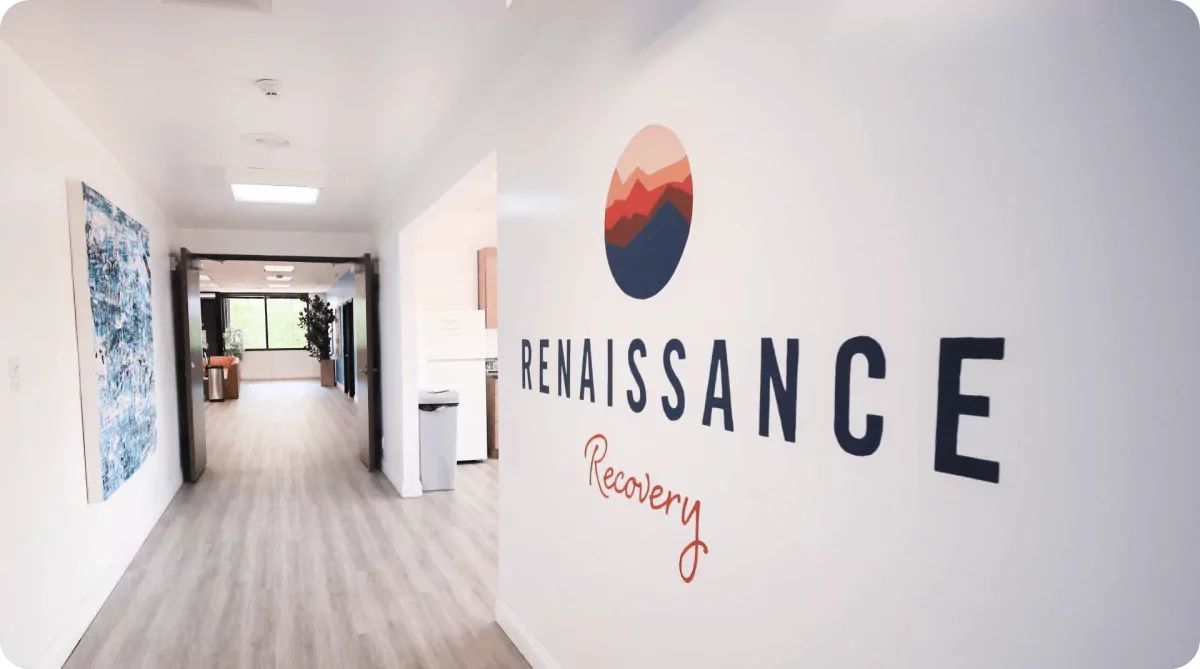
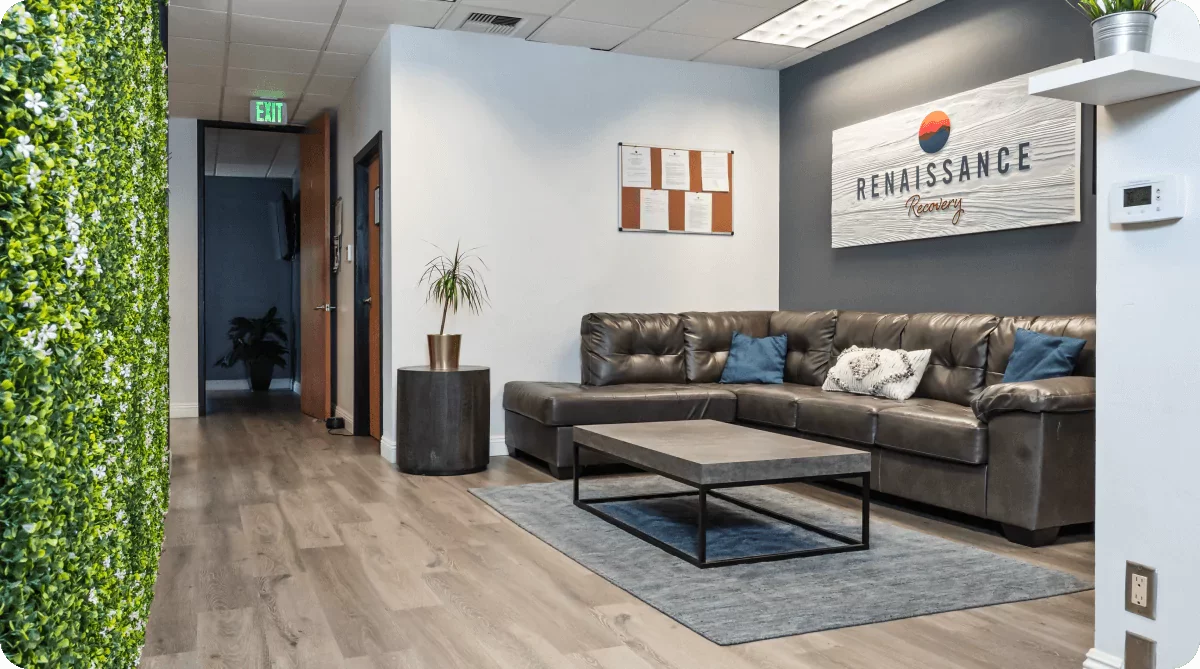
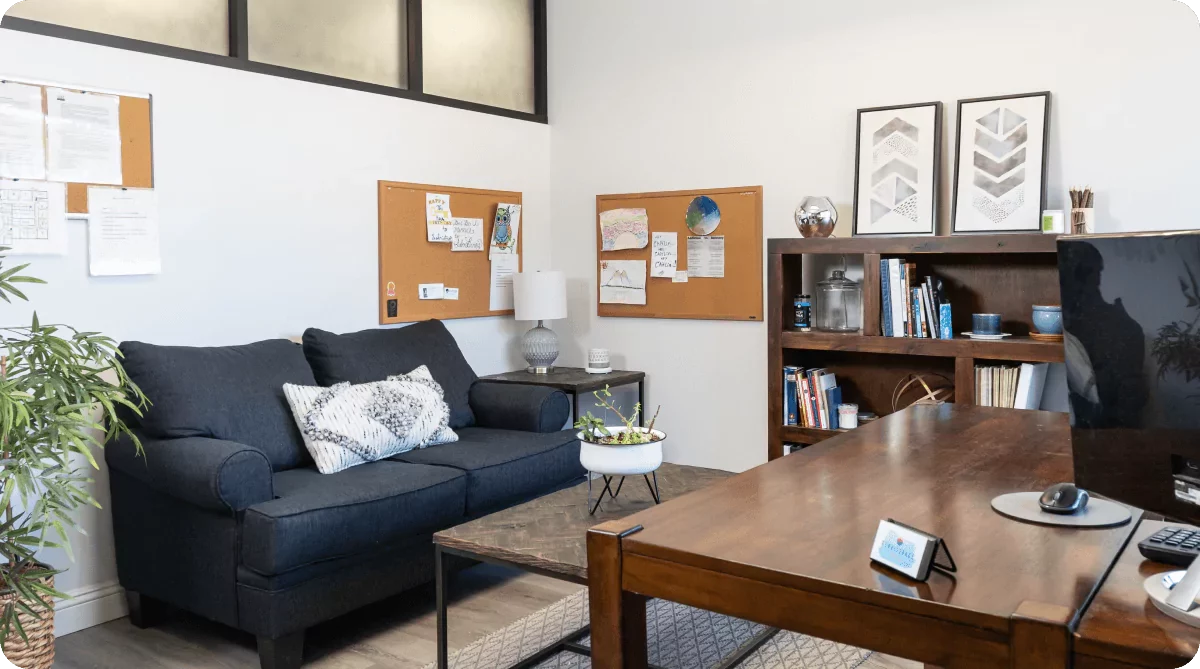
We strive to provide a comfortable, home-like environment during your recovery journey. Browse our facility images below to take a look at our upscale residential facilities.



Paying Out Of Pocket without Insurance

If you can’t pay your co-pay amount
Paying Out Of Pocket with Insurance
(Depending on insurance plan)

View our wide selection of accepted providers. Don’t see yours? Call our admissions team for help.











Whether you’re seeking help for yourself or a loved one, our admissions team is available 24/7 to answer your questions and guide you toward the right care.

| March | 2026 | |||||
|---|---|---|---|---|---|---|
| March 2026 | ||||||
| SSunday | MMonday | TTuesday | WWednesday | TThursday | FFriday | SSaturday |