Intensive Outpatient Program (IOP) Near Me
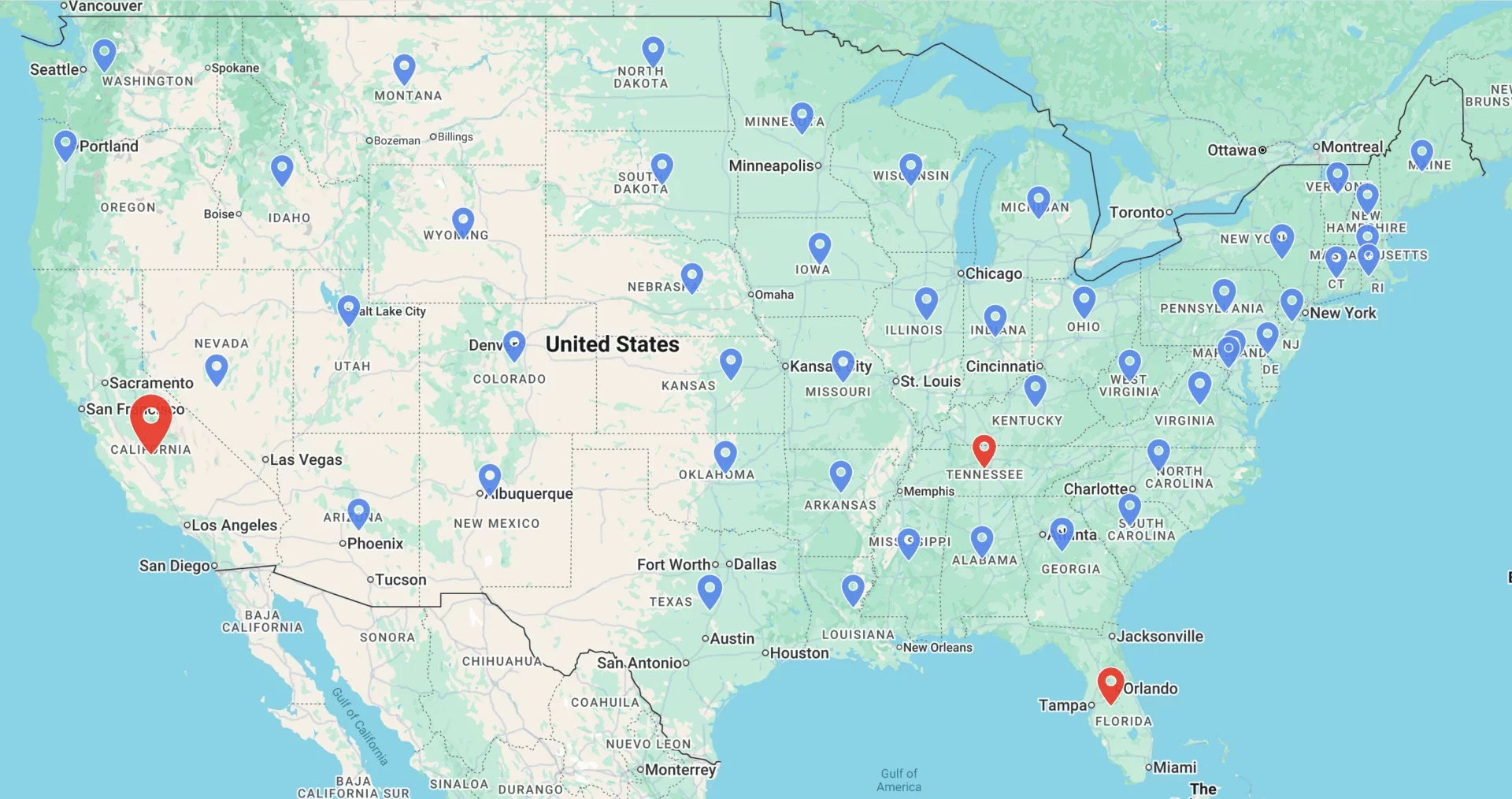
Finding an Intensive Outpatient Program (IOP) nearby can be a big step toward recovery. Many people prefer IOPs because they allow them to receive structured treatment while continuing daily responsibilities like work, school, or family care.
Having an IOP close to home makes it easier to attend sessions regularly and stay consistent with treatment. Local programs also connect you with community resources and support networks that can strengthen recovery. If you are searching for options, knowing what an IOP involves can help you make the right choice.
What is an Intensive Outpatient Program (IOP)?
Inpatient Intensive Outpatient Program (IOP) is a structured form of addiction and mental health treatment that provides professional services without requiring overnight stays [1]. It is a middle ground between inpatient treatment and outpatient counseling, where the needs are intensively supported while retaining independence.
IOPs are particularly designed for persons who need more than weekly therapy sessions and have no regular resident monitoring for hours throughout the day or week. Each week, this consists of one to two therapy sessions that focus on skill development, relapse prevention, and emotional support. The balance of this is a flexible yet effective remedy for recoveryists who are working hard to recover while maintaining a balance between work, school, and family life.
Key Features of Outpatient Care
Outpatient care is characterized by flexibility but is still highly evidence-based. The focus of treatment, education, and relapse prevention is on therapy, education, and support for prevention. Examples are some common features:
-
Regular group therapy for peer support.
-
Individual counseling for personalized care
-
Family sessions to strengthen home support systems
-
Education on coping skills and relapse prevention
Benefits of Structured Flexibility
One of the main advantages of IOPs is the balance they provide between treatment and daily life. This structure enables patients to recover while maintaining their everyday responsibilities.
-
Patients can continue working or studying.
-
Programs can be tailored to meet individual needs.
-
Support systems remain intact at home.
-
Offers independence while still providing guidance
What is the Difference Between an Intensive Outpatient Program (IOP) and Inpatient Treatment?
For the right choice, it is essential to understand the difference between a patient’s IOP and the IOP. Inpatient care requires 24-hour supervision and medical assistance in a treatment facility, as well as a full-time stay at a facility that provides 24-hour care [2].
On the other hand, IOPs are part-time programs that offer structure and therapy without overnight stays. If the disease or the circumstances are severe and/or you can’t afford to have the surgery, the choice is yours.
Cost Differences Between Programs
Cost is another factor that separates inpatient and outpatient programs. Inpatient treatment tends to be more expensive because it includes housing, meals, and around-the-clock care. IOPs are usually more affordable while still offering effective treatment.
Many families choose IOP as a cost-effective yet structured option.
What to Expect in an IOP
An IOP is an integrated process of therapy, education, and recovery-focused activities that help people stay on track with their healing. Each week, the patients are referred to multiple sessions, including individual counseling, group therapy, and educational workshops. These programs aim to strengthen resilient coping skills and promote self-growth during recovery, thereby helping to mitigate relapse.
Some sessions involve family members, who can also participate in ways that help connect and bring the home closer together. This combination of professional guidance, peer support, and family involvement ensures that patients are not only supported throughout treatment but also equipped for long-term success.
Family Involvement and Education
Family plays a huge role in recovery. Many IOPs include family therapy or educational seminars that teach family members how to respond to recovery.
-
Families learn how addiction affects behaviors.
-
Sessions help rebuild trust and communication.
-
Education provides tools to create a supportive home environment.
How Long Does Intensive Outpatient Treatment Last?
The length of an IOP may vary depending on individual progress and the severity of the disease. Most programs last between 8 and 12 weeks, during which time patients typically use the opportunity to build up coping skills and improve their lifestyle. However, some patients may require longer treatment, especially if they need additional support and are experiencing complex problems.
As recovery progresses, the number of sessions per week may gradually decrease, allowing patients to transition to a less intensive schedule while still maintaining connection to care. The focus is always on long-term stability and recovery rather than sticking to a strict timeline. This flexible approach ensures that treatment is tailored to individual needs, helping patients achieve sustainable results.
Short-Term vs. Long-Term IOPs
Some IOPs are short-term and stabilization-oriented, while others are long-term and offer ongoing support.
The right choice depends on personal maturity and long-term objectives.
IOP Treatment Schedule
A schedule for IOP is designed to be flexible yet still provide the structure required for recovery. The majority of programs run several sessions per week, typically lasting two or four hours each. This means that patients are supported without interruption of essential tasks such as work, school, or family care. It is worth noting that the programs often offer morning and evening options to accommodate different lifestyles.
Additionally, patients can participate in their treatment team by selecting schedules that best align with their own expectations. The balance is made possible with IOPs, allowing people to maintain their sobriety, treat themselves, and live life with dignity.
Morning vs. Evening Program Options
Additionally, IOPs can utilize different session times tailored to individual needs to track treatment progress effectively. Some programs provide morning meetings for those who work in the evening. In contrast, others offer morning meetings for working or family members who are on a work/family break. Some programs also provide evening meetings for workers or students. Thus, treatment is not disruptive or complicated to everyday life, allowing patients to choose the option that best supports their recovery.
-
Morning programs: Best for those with evening responsibilities
-
Evening programs: Ideal for working professionals or students
-
Flexibility: Flexibility enables treatment to minimize interference with everyday life.
Weekend and Flexible Scheduling
-
The weekends are another option for busy weekdays.
-
Saturday or Sunday sessions make attendance easier.
-
Helps people adjust to work, school, and family.
-
Increases reliability in recovery without jeopardizing obligations.
Is an Intensive Outpatient Program Right for Me?
There are situations where an individual’s need for an IOP differs depending on their unique circumstances, willingness to recover, and overall lifestyle needs. In addition, they are designed for individuals who require more support in outpatient care than the equivalent of outpatient treatment can provide, but not necessarily inpatient care [3]. If you want to recover, if you want to be organized and have structured guidance that doesn’t take your whole life, then an IOP could be a great choice.
One of the most significant advantages is that you are still working, schooling, or providing professional care while not actually receiving professional help. IOPs are versatile and make them available to many who otherwise would delay treatment. The best way to ensure the program is suitable for you is to consult with a healthcare provider who can guide you to the most appropriate option.
Personal Readiness for Structured Care
If you want an IOP but want to start healing slowly, a few days might be right for you. This type of program is also ideal for individuals who do not require 24-hour medical oversight but desire consistent, structured care. If you have stable home lives and are determined to attend regularly, an IOP provides the appropriate support and independence you need.
-
Are motivated to recover but want flexibility
-
Do not need 24/7 medical supervision.
-
Have a stable home environment.
-
Are you ready to commit to regular sessions?
Long-Term Benefits of Choosing an IOP
An IOP provides immediate support while also equipping individuals with the tools needed to succeed over a long period of time. The structured therapy sessions focus on developing coping strategies, preventing relapse, and establishing healthier habits that last long after the program. By combining professional guidance with real-world practice, IOPs provide patients with the confidence to maintain sobriety and manage challenges independently.
-
Encourages accountability and independence
-
Strengthens coping strategies for real-life situations
-
Provides ongoing access to peer and family support
-
Helps maintain sobriety while living a daily life.
FAQs
What is the meaning of intensive outpatient care?
Intensive outpatient care is a structured treatment program for mental health or substance use disorders. It provides regular therapy sessions, allowing patients to live at home and maintain their daily responsibilities.
What is an IOP, and why is it used?
An IOP, or Intensive Outpatient Program, is a flexible treatment option. It is used to provide frequent therapy, education, and support for individuals who do not require full-time inpatient care.
How many hours a week is an intensive outpatient program?
Most IOPs require approximately 9 to 20 hours per week. Sessions are typically scheduled across multiple days, allowing patients to receive consistent treatment while continuing work, school, or family obligations.
Does insurance cover an intensive outpatient program?
Many insurance plans cover IOPs, though coverage varies depending on the provider and policy. It’s essential to verify your eligibility with your insurance company and confirm any out-of-pocket expenses.
Get Treatment for Addiction and Mental Health at District Behavioral Health
At District Behavioral Health Group, we provide comprehensive, evidence-based care through Intensive Outpatient Programs (IOP) and other structured treatment options. Our nationwide recovery network ensures a connected journey, providing professional support while you continue with your daily responsibilities, such as work, school, or family care.
Our comprehensive programming includes:
-
Intensive Outpatient Programs (IOP): Flexible, part-time therapy with group, individual, and family sessions to build coping skills and prevent relapse.
-
Medication-Assisted Detox: Medically supervised detox with FDA-approved medications when needed.
-
Inpatient & Residential Programs: 24/7 live-in care for individuals requiring intensive supervision and structured routines.
-
Partial Hospitalization Programs (PHP): Full-day treatment without overnight stays, offering focused therapy and support.
-
Outpatient Programs (OP): Ongoing, flexible sessions to maintain progress while living independently.
To learn more about our IOPs and recovery programs, call our caring team today at (888) 707-6073.
Sources:
[1] https://www.ncbi.nlm.nih.gov/books/NBK64102/
[2] https://pmc.ncbi.nlm.nih.gov/articles/PMC4152944/
[3] https://www.ncbi.nlm.nih.gov/books/NBK64087/