Outpatient Addiction & Mental Health Treatment Near Me
Finding the right help for addiction or mental health challenges can feel overwhelming, especially when you’re trying to balance work, school, or family. That’s where outpatient treatment comes in. Outpatient programs provide professional support and therapy without requiring an overnight stay at a facility.
You can attend scheduled sessions, connect with experienced counselors, and still manage your everyday responsibilities. Whether you’re dealing with substance use, anxiety, depression, or other challenges, outpatient treatment offers flexible, structured care close to home. Let’s explore what these programs involve and how they can help you on your journey to recovery.
What Is Outpatient Rehab?
Outpatient rehab is an individualized treatment program that does not require an overnight hospital stay [1]. It provides you with professional assistance as you continue to live in the present. The goal is to offer therapy, support, and education in a structured way.
Outpatient programs are suitable for individuals who do not require constant monitoring but have greater needs for guidance at a slower pace of supervision. They provide flexibility and allow them to be treated as long-term strategies. To maintain a steady pace of recovery, participants should attend scheduled sessions that allow the patient to focus on recovery and take personal and professional responsibility.
Key Features of Outpatient Rehab
Outpatient rehab is structured with supports and care that do not require you to live in a clinic. It combines therapy, education, and peer support to help you recover successfully. This includes key features:
-
Regular group therapy sessions where you share experiences and get peer support.
-
Individual counseling to overcome personal difficulties
-
Family sessions to improve communication and support systems
-
Education on coping skills, relapse prevention, and stress management
These features enable you to access professional advice when you are connected to your home and community.
Typical Schedule and Therapy Sessions
Outpatient rehab varies depending on the program and individual needs. Most programs offer multiple sessions each week, ranging in length from 2 to 4 hours. Individual therapy may also be provided, as well as group therapy. If you wish to be supported, it is necessary to take care of yourself consistently so you can continue your job or school activities.
Alternatively, a typical week can include workshops on parenting and family therapy. The structure of this group helps patients develop routines, stay accountable, and practice new skills in real-world settings.
Benefits of Outpatient Rehab
Depending on your individual needs, outpatient rehab provides treatment while you can stay at home and maintain your schedule. It is easier to implement than inpatient rehab and is often more cost-effective[2]. Personal therapy, friendship with friends, and skills to avoid relapse will be tailored to your needs.
Outpatient care is also supervised, but it also offers professional guidance. There is no disruption to work, school, or family schedules, allowing people to follow through with treatment without altering their routines.
Maintaining Daily Responsibilities During Treatment
Outpatient rehab offers a significant amount of flexibility, allowing individuals to maintain their daily obligations. You can continue to work, attend school, or care for your family while receiving care. This balance relieves stress and motivates you to recover. Some ways outpatient rehab supports daily life include:
-
Flexible session timings
-
Weekend programs for busy schedules
-
Telehealth options for therapy sessions
-
Support for managing responsibilities at home and work
Building Long-Term Coping Skills
Outpatient programs emphasize learning skills that can be applied later in the program. These patients learn strategies to manage cravings, stress, and triggers in real-life situations. Therapy exercises focus on developing emotional regulation, problem-solving, and communication skills. These strategies help you prevent relapse and build better habits. As you practice these strategies, you will strengthen your long-term recovery foundation.
Encouragement of Independence and Accountability
Outpatient rehab offers a way for you to take control of your own decisions and be accountable for your recovery. You learn how to manage your treatment schedule and how to cope with anxiety. There’s always a chance you have scheduled regular check-ins with counselors and group therapy sessions. Three basic ways that independence and accountability are promoted include:
-
Setting personal recovery goals
-
Tracking progress through therapy sessions
-
Engaging in peer support for feedback
-
Building confidence to face challenges on your own
Types of Outpatient Rehab
There are different outpatient programs to suit varying needs and schedules. Each type provides structured care while allowing patients to live at home. Choosing the right program depends on the severity of addiction, personal goals, and available time.
Outpatient rehab can include intensive programs for higher support or standard programs for moderate care. Flexibility is a key advantage, letting patients gradually transition to independence.
Intensive Outpatient Programs (IOP)
IOPs are part-time, structured programs designed for individuals who require frequent support. Therapy, skills training, and relapse prevention are routinely taught through weekly sessions. IOPs are ideal for those who do not require 24-hour supervision but need more than weekly counseling. Some features of IOPs include:
-
Group therapy for peer support
-
Individual counseling sessions
-
Family education and involvement
-
Workshops on coping strategies and life skills
Partial Hospitalization Programs (PHP)
PHPs provide more intensive care than IOPs, but still do not require overnight stays. Patients attend full-day sessions that include therapy, medical supervision, and support. PHPs are suited for individuals transitioning from inpatient care or requiring more structured treatment. Key features include:
-
Daily group and individual therapy
-
Medical monitoring and support
-
Education on relapse prevention and mental health
-
Family involvement and skill-building workshops
How Much Does Outpatient Rehab Cost?
The cost of outpatient rehab varies depending on program type, location, and duration. Generally, it is more affordable than inpatient treatment. Many programs are covered partially or fully by insurance. Some centers also offer financial assistance or sliding-scale fees. It is essential to consult with the facility and your insurance provider to determine costs and available options.
Insurance Coverage and Reimbursement Options
Many outpatient programs are covered by insurance, reducing out-of-pocket expenses. Coverage varies depending on the plan and the type of treatment being provided. Patients should verify their benefits with their insurance provider before starting treatment. Some common points include:
-
Coverage for therapy sessions and counseling
-
Partial reimbursement for medication-assisted treatment
-
Limitations on the number of sessions per year
-
Requirement of pre-authorization for intensive programs
Sliding Scale and Financial Assistance Programs
Some outpatient centers offer sliding-scale fees or financial assistance to those who qualify. This helps make treatment accessible to people with limited resources. Key details include:
-
Adjusted fees based on income
-
Payment plans for long-term programs
-
Support in applying for financial assistance
-
Options for reduced-cost group therapy
Differences Between Inpatient and Outpatient Rehab
Inpatient rehab requires patients to stay at a facility 24/7, whereas outpatient rehab allows patients to live at home. Inpatient programs offer constant supervision and medical support. Outpatient care provides flexibility and independence while still delivering structured therapy. Choosing between them depends on the severity of addiction, personal commitments, and recovery goals. Both programs aim to help patients develop skills and maintain long-term sobriety.
Level of Supervision and Support Provided
Inpatient rehab provides continuous supervision, medical care, and structured routines. Outpatient programs offer scheduled therapy sessions and check-ins but do not require overnight stays. The level of supervision affects:
-
Frequency of therapy sessions
-
Access to medical support
-
Monitoring for relapse risk
-
Amount of personal independence
Flexibility and Lifestyle Considerations
Outpatient rehab allows patients to continue work, school, and family responsibilities. It is suitable for individuals who need structured support but cannot commit to living at a facility. Flexibility includes:
-
Choosing morning, evening, or weekend sessions
-
Maintaining daily routines while in treatment
-
Gradual transition to full independence
-
Personalized schedules to fit lifestyle needs
FAQs
What is the meaning of outpatient rehab?
Outpatient rehab is a structured treatment program for addiction or mental health issues where patients live at home. It provides therapy, counseling, and support, allowing individuals to continue with their daily responsibilities, such as work, school, or family care.
How many hours a day is outpatient rehab?
Outpatient rehab usually requires two to four hours per session, multiple days a week. Some intensive programs may have longer sessions or additional workshops. The schedule is flexible, allowing patients to receive consistent care while maintaining their daily routines.
What’s the difference between an inpatient and an outpatient program?
Inpatient programs require living at a treatment facility 24/7 with full supervision and medical support. Outpatient programs allow patients to live at home while attending scheduled therapy and support sessions. Both provide structured care, but differ in terms of intensity and flexibility.
What should I expect during outpatient rehab?
During outpatient rehab, you attend regular therapy sessions, including individual, group, and sometimes family counseling. You will learn coping skills, relapse prevention strategies, and techniques for emotional support. The program focuses on building recovery while balancing daily life.
What’s the longest someone can stay in rehab?
Rehab duration varies by individual needs. Outpatient programs typically last 8–12 weeks, but some patients may stay longer for ongoing support or to address complex challenges. Inpatient programs may vary in duration, ranging from shorter to longer, depending on the severity of the condition, treatment goals, and progress in recovery.
Get Treatment for Addiction & Mental Health Challenges at District Behavioral Health
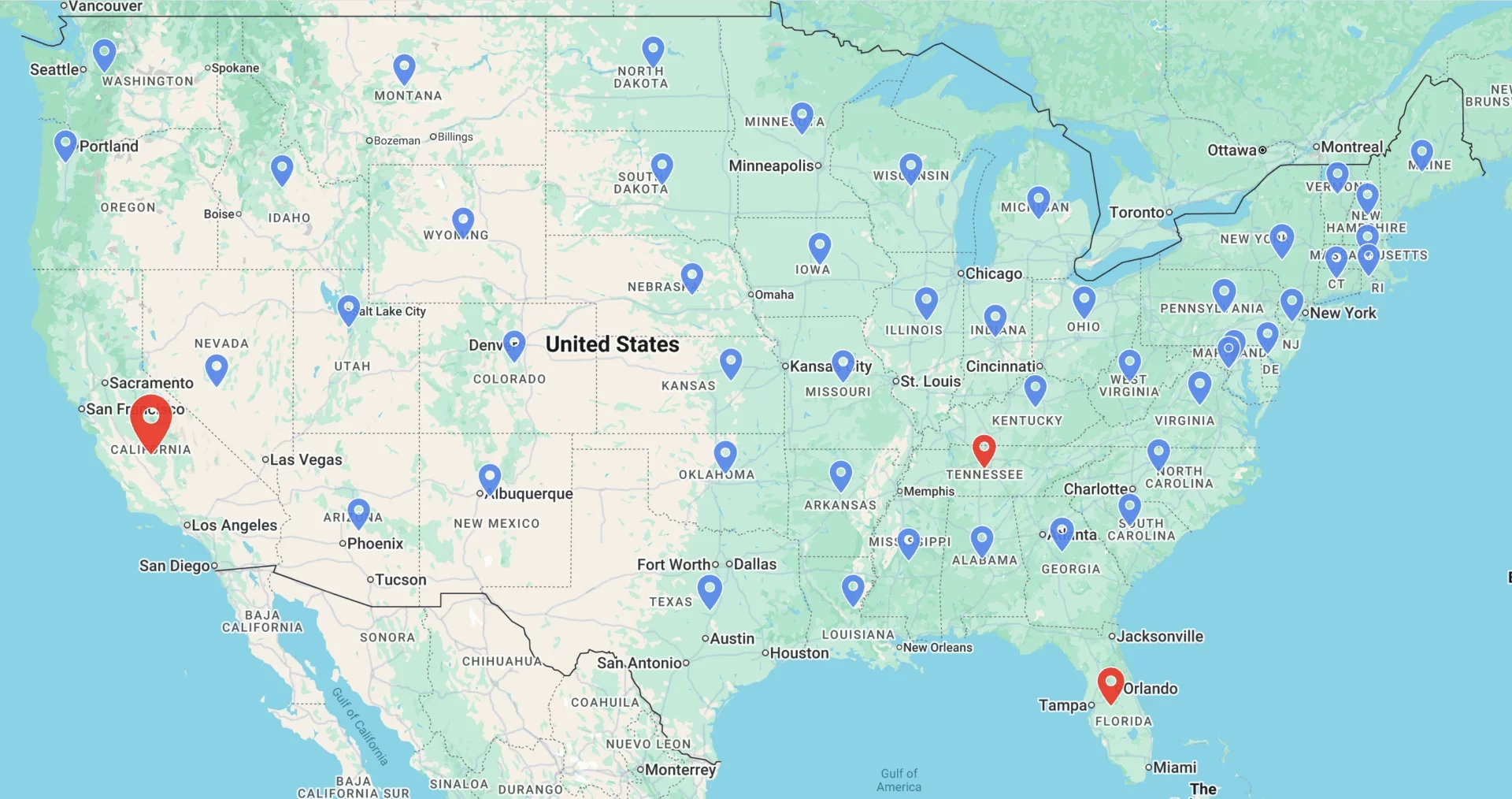
At District Behavioral Health Group, we provide comprehensive, evidence-based outpatient programs for addiction and mental health concerns. Our flexible outpatient care enables you to receive therapy, counseling, and support while continuing your daily responsibilities, such as work, school, or family commitments.
Our outpatient programming includes:
-
Intensive Outpatient Programs (IOP): Structured part-time therapy, skill-building, and relapse prevention.
-
Partial Hospitalization Programs (PHP): Full-day treatment without overnight stays, including therapy, medical monitoring, and support.
-
Individual & Group Counseling: Personalized and peer-supported therapy sessions.
-
Family Therapy & Education: Guidance for loved ones to strengthen support systems.
-
Telehealth & Flexible Scheduling: Morning, evening, or weekend sessions to fit your lifestyle.
To learn more about outpatient treatment programs near you, call our supportive team today at (888) 707-6073.
Sources:
[1] https://nida.nih.gov/publications/drugs-brains-behavior-science-addiction/treatment-recovery
[2] https://www.cdc.gov/overdose-prevention/treatment/index.html