Partial Hospitalization Program (PHP) Near Me
A Partial Hospitalization Program (PHP) is an intensive treatment option for people who need more support than standard outpatient therapy but do not require 24/7 inpatient care. PHPs bridge the gap between inpatient and outpatient levels of treatment by offering daily therapy, medical monitoring, and recovery-focused programming.
Unlike traditional outpatient care, PHPs provide a higher level of structure and accountability. They are especially helpful for people transitioning out of inpatient rehab or those at risk of relapse. Patients spend several hours each day in a treatment center for therapy, group counseling, and recovery activities, then return home in the evening. This balance allows them to practice new skills in real-world settings while still receiving professional support.
PHPs combine the structure of residential care with the flexibility of outpatient programs. They are also effective for people managing co-occurring mental health conditions, since psychiatric support is integrated with addiction treatment.
If you or a loved one is looking for a Partial Hospitalization Program (PHP), this guide outlines what PHP is, its services, potential benefits, and details on costs, requirements, and expected outcomes.
What’s a Partial Hospitalization Program (PHP)?
A Partial Hospitalization Program (PHP) is a structured, short-term treatment program that provides intensive care during the day while allowing patients to return home in the evening.
-
PHP meaning in mental health: In mental health care, a Partial Hospitalization Program (PHP) provides structured, day-long treatment for individuals needing intensive therapy, bridging the gap between inpatient hospitalization and standard outpatient services.
-
PHP medical abbreviation: In psychiatry, PHP stands for Partial Hospitalization Program. It offers comprehensive treatment, including therapy and medication management, for individuals with significant mental health needs without requiring overnight hospital admission.
-
PHP rehab meaning: In addiction recovery, PHP refers to a Partial Hospitalization Program that combines medical support, psychiatric care, and daily therapy sessions to address substance use disorders without a round-the-clock residential stay.
Patients in a PHP typically attend treatment for 4–6 hours per day, 5–7 days per week, depending on individual needs. This allows them to maintain connections with family and daily responsibilities while receiving comprehensive care.
Individuals in Partial Hospitalization Programs (PHPs) have a 54% higher treatment retention rate compared to those in standard outpatient programs.[1]
Services Offered in PHP
A high-quality PHP program provides evidence-based therapies, medical support, and holistic care to address addiction and co-occurring mental health disorders. Services often include:
1. Medical Supervision
In PHP, patients receive consistent medical oversight from doctors and nurses to monitor withdrawal symptoms, medication adjustments, and co-occurring health conditions. For individuals stepping down from detox or inpatient rehab, this supervision ensures safety, continuity of care, and effective management of both physical and psychological recovery needs.
2. Individual Therapy
One-on-one counseling in PHP helps patients uncover the root causes of addiction, process trauma, and address mental health challenges. Therapists often use evidence-based methods like CBT or DBT, guiding patients to build healthier thought patterns, develop coping mechanisms, and create achievable recovery goals tailored to their unique struggles and progress.
3. Group Therapy
Group therapy sessions provide a supportive space where patients share experiences, practice communication, and learn relapse prevention strategies. These structured meetings encourage accountability, reduce isolation, and strengthen motivation. By connecting with peers facing similar challenges, patients build a community of support that enhances recovery outcomes and long-term resilience.
4. Family Therapy
Family involvement in PHP strengthens recovery by repairing strained relationships and fostering a supportive home environment. Therapy sessions help families understand addiction and mental health, improve communication, and learn healthy boundaries. Active family participation ensures ongoing support, encourages accountability, and significantly improves treatment engagement and long-term recovery success rates.
5. Medication-Assisted Treatment (MAT)
PHPs often include MAT programs for patients struggling with opioid or alcohol dependence. By combining FDA-approved medications with behavioral therapies, MAT reduces cravings, stabilizes brain chemistry, and supports recovery. This evidence-based approach addresses both the physical and psychological aspects of addiction, increasing the likelihood of long-term sobriety and wellness.
6. Holistic Therapies
Beyond clinical treatments, PHPs incorporate holistic therapies, including mindfulness, yoga, meditation, art therapy, and nutrition counseling. These practices help patients manage stress, regulate emotions, and rebuild physical health. Holistic care complements traditional therapy by addressing the mind-body connection, promoting overall wellness, and supporting sustained recovery from addiction and co-occurring disorders.
Who Should Consider a Partial Hospitalization Program?
A Partial Hospitalization Program (PHP) is best for people who need intensive daily treatment but do not require 24/7 inpatient care. It is also a strong option for those transitioning from inpatient rehab, managing co‑occurring mental health conditions, or struggling with relapse after outpatient therapy.
1. Intensive Treatment Without 24/7 Monitoring
PHP provides structured therapy, medical support, and accountability during the day, while allowing patients to return home each evening. This balance supports recovery while maintaining family, work, or school responsibilities.
2. Transition After Inpatient Rehab
For patients completing inpatient rehab, PHP serves as a step‑down program. It continues structured therapy and monitoring, reduces relapse risk, and helps patients adjust to daily life with greater independence.
3. Support for Co-Occurring Disorders
PHPs are effective for people with dual diagnoses such as depression, anxiety, or PTSD [2]. Integrated psychiatric care, therapy, and medication management help stabilize mental health alongside addiction recovery.
4. Relapse After Outpatient Treatment
When outpatient therapy alone is not enough, PHP offers a higher level of care. Daily structure, therapy, and medical oversight help patients regain stability, address setbacks, and strengthen relapse prevention skills.
What Are the Advantages of PHP?
A Partial Hospitalization Program (PHP) offers intensive care with the flexibility of living at home. It is more affordable than inpatient rehab, supports family involvement, and is highly effective for people with co‑occurring mental health conditions.
1. Intensive Care with Flexibility
PHPs provide daily therapy, medical support, and psychiatric care similar to inpatient rehab, but patients return home each evening. This balance enables structured treatment while allowing for personal responsibilities to be maintained.
2. Lower Cost than Inpatient Rehab
Because PHPs do not require overnight stays or housing, they are significantly less expensive than inpatient programs, making intensive care more accessible.
3. Structured Transition to Independence
PHPs bridge the gap between inpatient and outpatient care. Patients practice recovery skills in real-life settings while continuing to receive daily professional support.
4. Family and Community Involvement
Unlike inpatient care, PHPs allow patients to remain connected to family and community. This involvement strengthens support systems and encourages accountability.
5. Effective for Dual Diagnosis
PHP psychiatry integrates addiction treatment with mental health care. Conditions such as depression, anxiety, or PTSD are treated alongside substance use, reducing relapse risk and supporting long‑term stability.
How Much Does a Partial Hospitalization Program Cost?
A Partial Hospitalization Program typically costs $350 to $450 per day or $1,500 to $3,000 per week, with insurance covering most of the costs if medically necessary. These ranges vary by center and extras, but they remain significantly lower than inpatient bills [3]. Out-of-pocket expenses are eased when plans verify the necessity, such as for step-downs [4]. Many locations, including DBH, offer aid options to suit various budgets. Calling for specifics avoids shocks.
-
Daily Costs: The daily fees for PHP typically range from $350 to $450. This cost includes therapy, medication, and group sessions. Additional services, such as family meetings, can increase the overall price slightly. This per-day pricing model makes short-term treatment more affordable, providing intensive care without incurring excessive costs. Exact quotes are provided during quick intake assessments.
-
Weekly Costs: Full weeks cost between $1,500 and $3,000 for five or more days of intensive engagement. Savings are realized without including room and board. This timeframe suits most transitions effectively. Budgets manage it better than longer durations. It’s a cost-effective option for building momentum.
-
Insurance Coverage: Plans often cover significant portions of PHP if documents deem it essential, like post-crisis measures. Pre-approvals check the fit quickly, minimizing surprises. Sliding scales help bridge the gap. This support opens doors for everyone. Start with verification for clear pathways.
What Are the Requirements to Be Admitted to a PHP?
To be admitted to a Partial Hospitalization Program (PHP), individuals must pass an assessment indicating that they require daily structure but can safely manage their home life at night.
1. Medical/Psychological Assessment
A thorough evaluation of health history, mood, and substance use helps determine needs and risks. This process ensures the right level of care, whether PHP or inpatient treatment.
2. Need for Structured Treatment Without Inpatient Care
Candidates must demonstrate that daily support is beneficial, while overnight stays may be overwhelming, such as experiencing moderate cravings without requiring emergency assistance.
3. Home Stability During Non-Program Hours
A supportive home environment is essential, meaning no risks of isolation and having reliable family support to promote recovery during evenings.
4. Commitment to Active Participation
Full engagement in therapy, including attendance and openness, is crucial for success. Commitment enhances group dynamics and fosters meaningful change.
FAQs
What happens in a partial hospitalization program?
In a Partial Hospitalization Program (PHP), you will participate in four to six hours of therapy, medical reviews, and group activities each day. Mornings may include sharing sessions, while afternoons might focus on personal goals or activities like yoga. Staff will adjust the program to meet your needs, providing hands-on support without causing undue exhaustion.
What’s the difference between PHP and IOP?
PHP offers 20 to 30 hours of treatment per week, whereas Intensive Outpatient Programs (IOP) provide 9 to 15 hours. PHP is for individuals who need more structure during transitions, while IOP is for those in a steadier state. Both programs aim to build skills, but PHP addresses deeper issues on a daily basis, while IOP serves as a supportive follow-up.
How long do people stay in PHP?
Most people stay in PHP for two to six weeks, depending on their individual progress. Stays may be shorter for quick stabilizations or longer for more complex issues. Weekly check-ins help adjust timelines as needed, allowing for a personalized recovery experience.
How many hours is partial hospitalization?
Partial hospitalization involves four to six hours of programming daily, five to seven days a week. The schedule includes therapy blocks and breaks, accommodating different personal needs, including work commitments. This structured approach supports significant progress without overwhelming participants.
Get Help for Addiction and Mental Health at District Behavioral Health
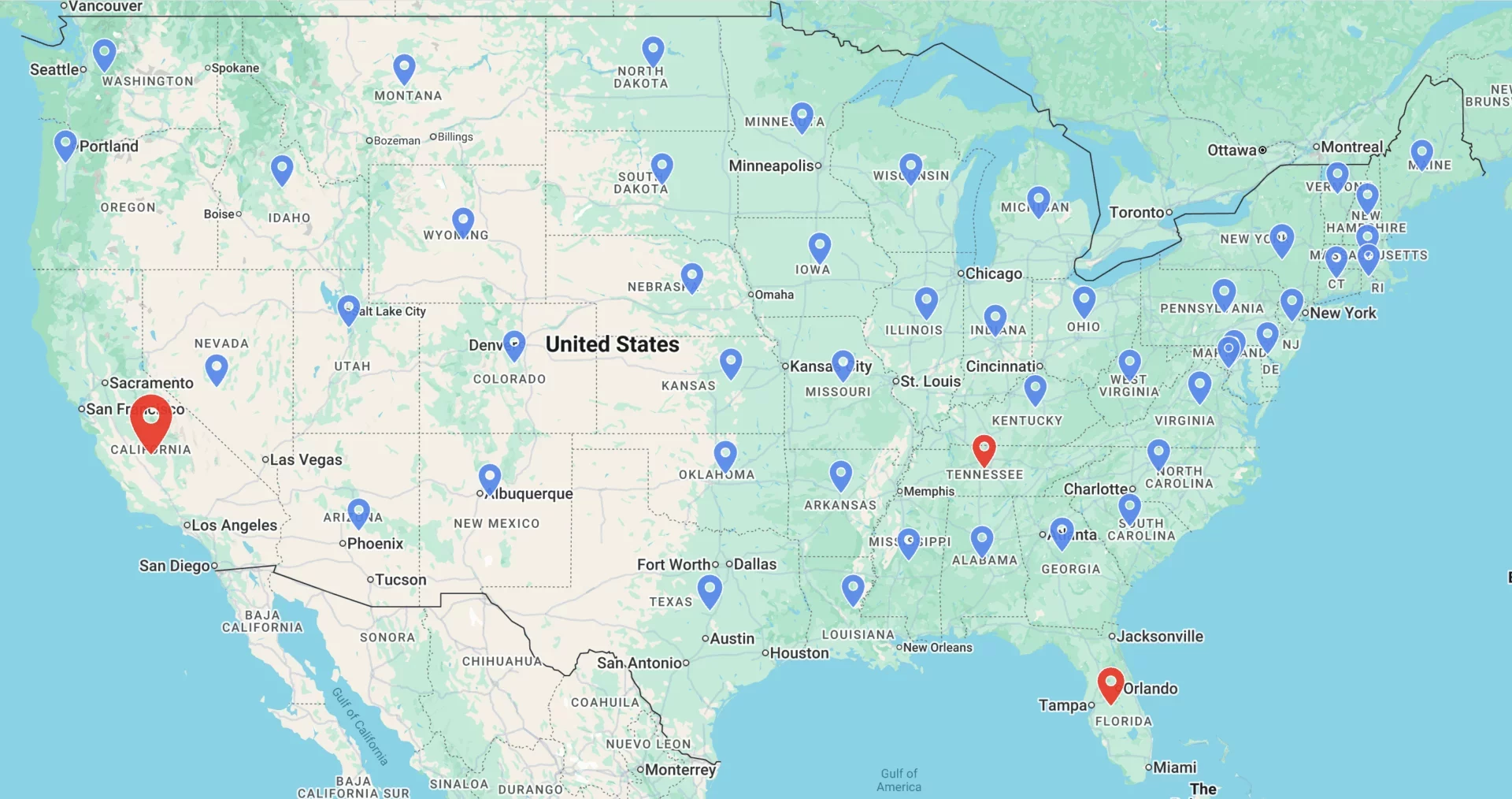
At District Behavioral Health Group, we provide evidence-based care for individuals struggling with addiction and co-occurring mental health challenges. Our nationwide recovery network ensures a clear, connected treatment path, offering support at every stage of recovery. From detox to long-term outpatient care, our programs are designed to restore health, stability, and independence.
Our comprehensive programming includes:
-
Medication-Assisted Detox: Safe, medically supervised detox to manage withdrawal symptoms.
-
Crisis Intervention & Stabilization: Immediate care to ensure safety during moments of crisis.
-
Inpatient & Residential Programs: 24/7 structured treatment with therapy, medical support, and daily routines in a healing environment.
-
Partial Hospitalization Programs (PHP): Intensive daytime therapy without overnight stays.
-
Intensive Outpatient Programs (IOP): Flexible part-time treatment balancing therapy with daily life.
-
Outpatient Programs (OP): Continued therapy to maintain recovery while living independently.
If you or someone you love is struggling with addiction or mental health challenges, call our caring team today at (888) 707-6073 and begin the path toward recovery.
Sources:
[1] https://betteraddictioncare.com/treatment/levels-of-care/partial-hospitalization-program/?utm_source=
[2] https://meadowsoutpatient.com/php-vs-iop-whats-the-difference/?utm_source=
[3] https://rocklandrecovery.com/partial-hospitalization-program-cost/?utm_source=
[4] https://americanaddictioncenters.org/insurance-coverage/partial-hospitalization-program?utm_source=